Wild Afternnon, Canada, 2025

We wake to alarms. We move through subway tunnels. We answer emails. We count down hours. The modern work cycle, once marketed as secure and productive, has become a ritual of depletion. Jing Zhou knows this world well. For years, she moved through it, days marked by deadlines, precision, performance, and the constant drone of a city that never slows down.

But something inside her began to break. Her art did not begin as rebellion, but as therapy. A quiet act of self-rescue. What started with small gestures, lines, and patterns began to form synchronous repetitions. More importantly, her art became a form of healing. Repetition, once imposed, became something she chose.

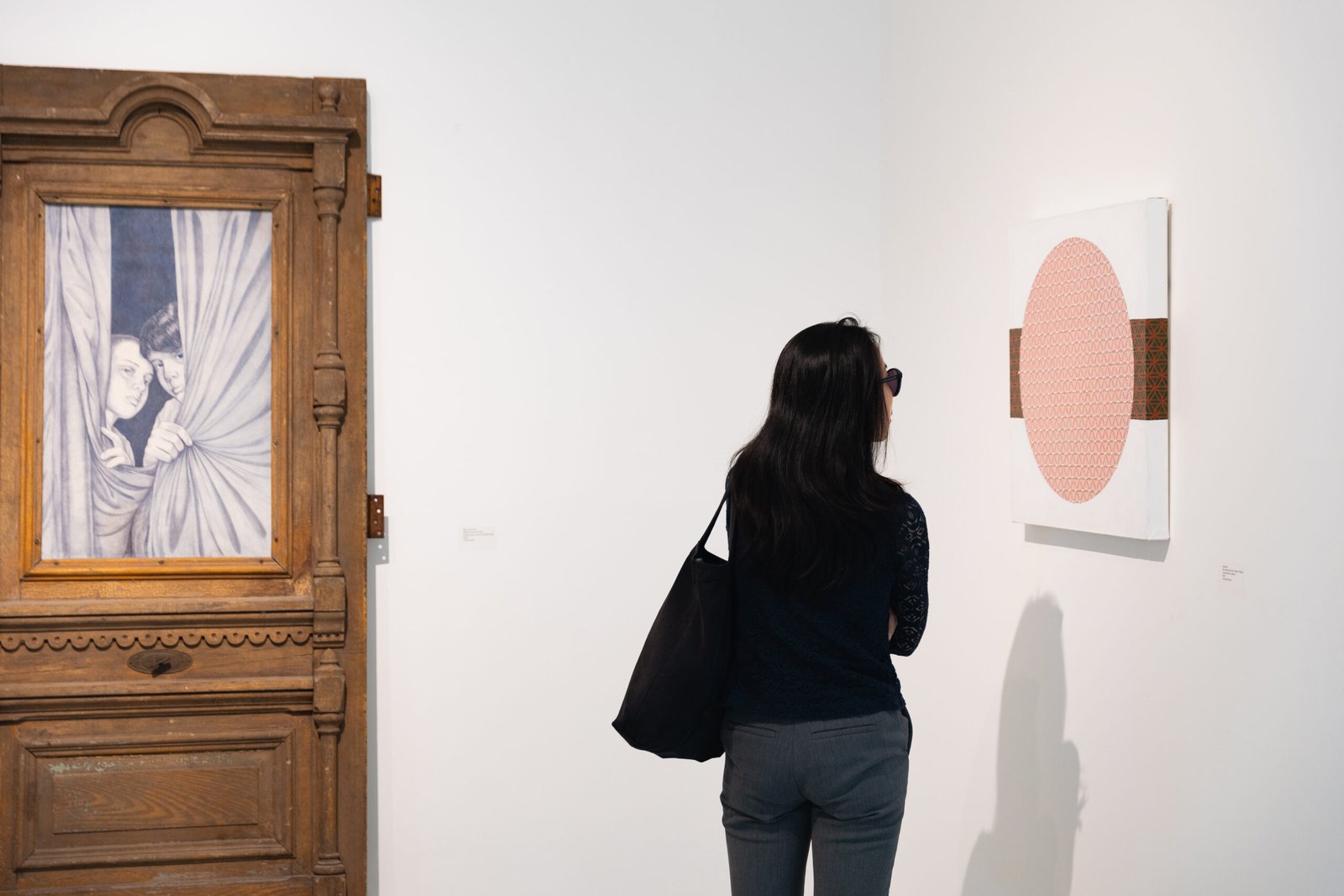
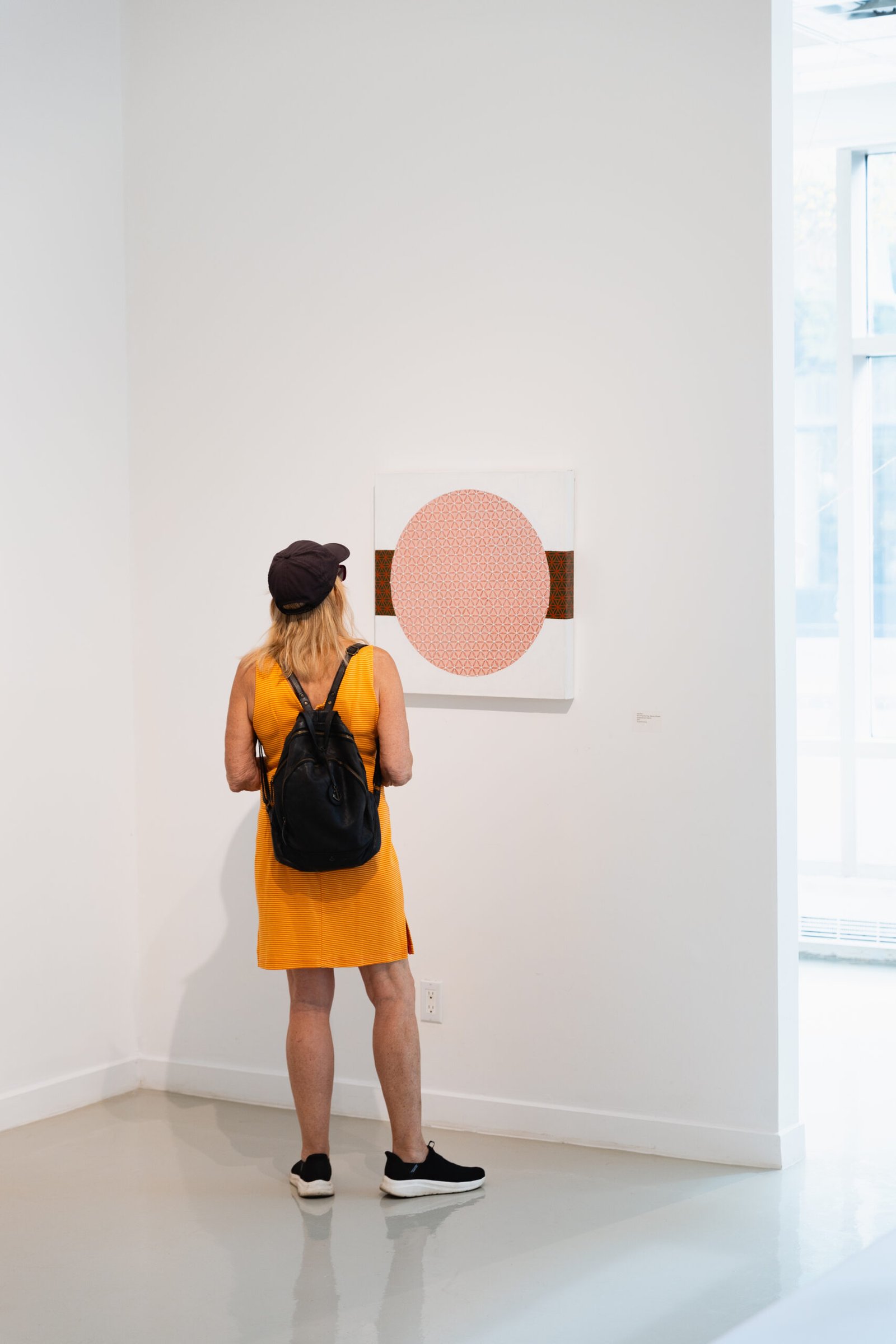
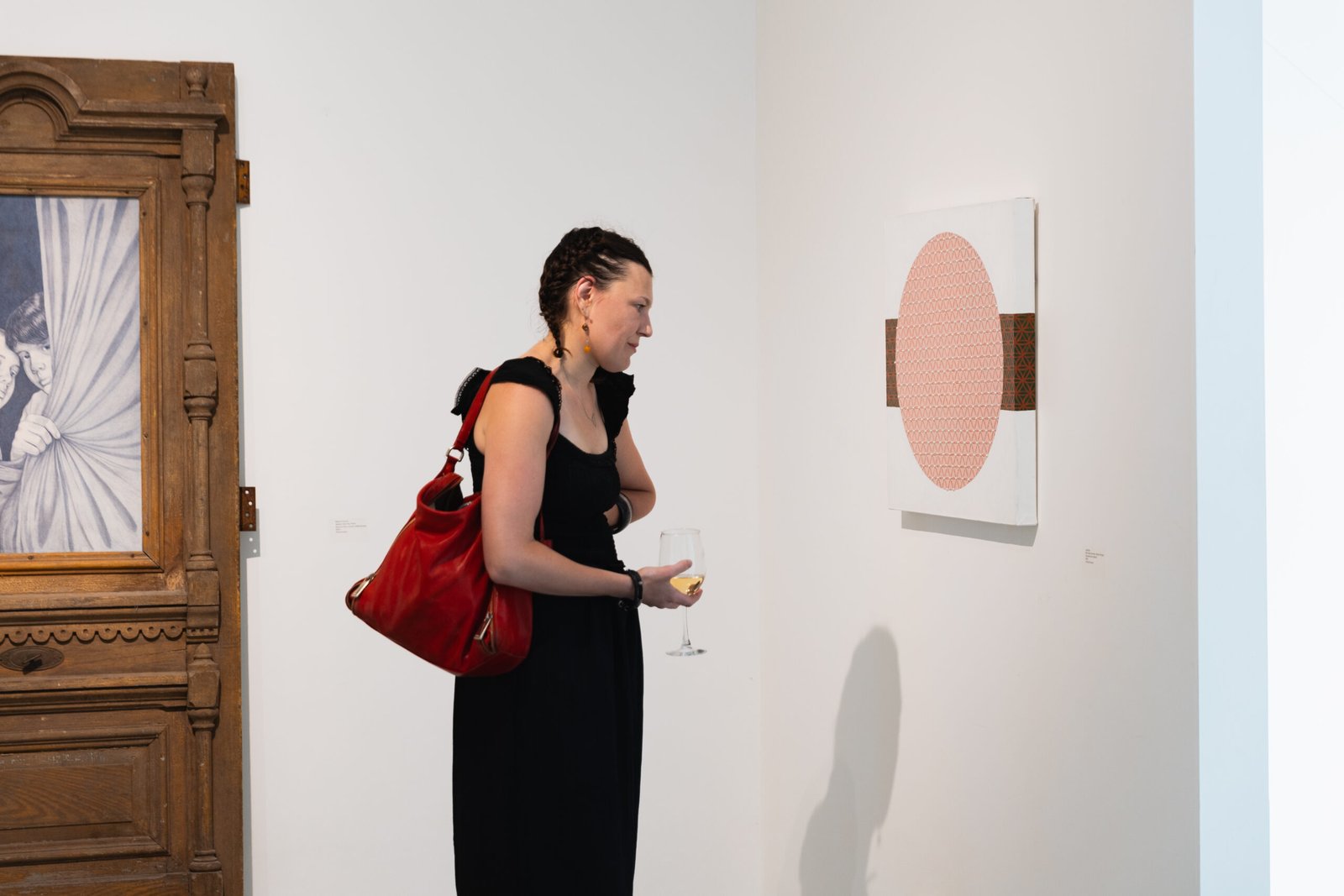
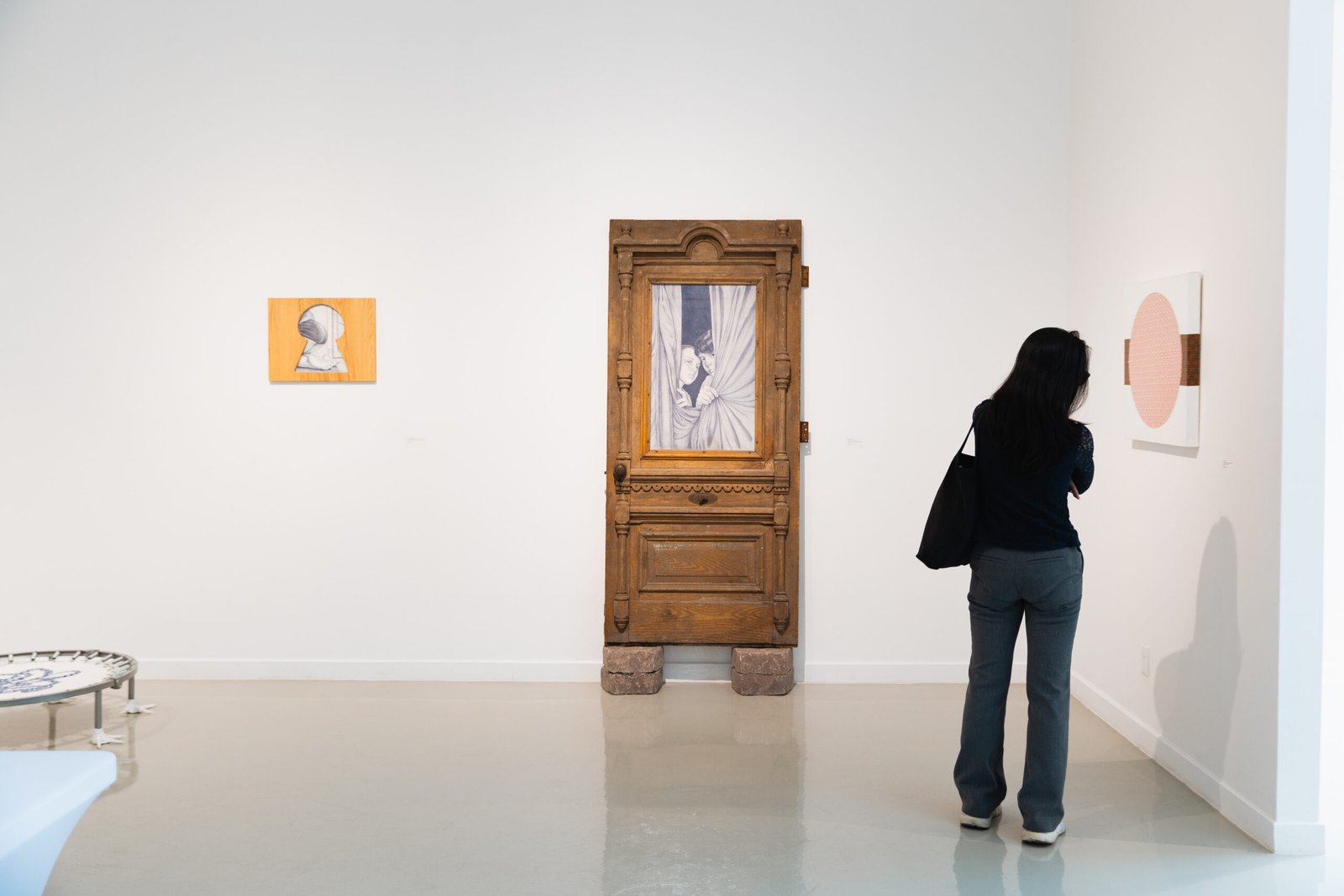
In What Remains to Be Seen, a group exhibition at Montreal’s 1215 Gallery, Zhou’s work offers a profound counterpoint to the urgency of contemporary life. Her contribution doesn’t raise its voice. It doesn’t posture or compete. It stands still and lets you come closer.
 

We wake to alarms. We move through subway tunnels. We answer emails. We count down hours. The modern work cycle, once marketed as secure and productive, has become a ritual of depletion. Jing Zhou knows this world well. For years, she moved through it, days marked by deadlines, precision, performance, and the constant drone of a city that never slows down.

But something inside her began to break. Her art did not begin as rebellion, but as therapy. A quiet act of self-rescue. What started with small gestures, lines, and patterns began to form synchronous repetitions. More importantly, her art became a form of healing. Repetition, once imposed, became something she chose.

In What Remains to Be Seen, a group exhibition at Montreal’s 1215 Gallery, Zhou’s work offers a profound counterpoint to the urgency of contemporary life. Her contribution doesn’t raise its voice. It doesn’t posture or compete. It stands still and lets you come closer.